
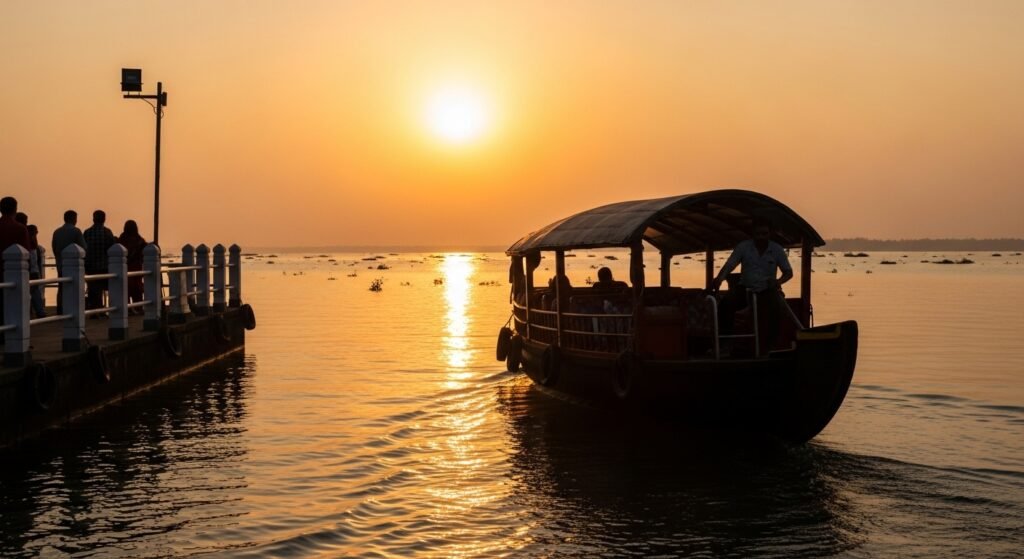
Quick Insights
- A shikara is a small private wooden boat (4–7 passengers) with bamboo canopy and reclining chairs; powered by a four-stroke outboard engine
- Price: ₹1,000–₹1,500/hour (private, weekday); full-day from ₹6,000. Be cautious of anything cheaper — see the pricing section below
- Recommended duration: 3 hours minimum; 5 hours for the full canal and village experience
- Best time: sunrise (6:00 AM) for photography and quiet; sunset (4:30 PM) for couples and golden-hour views
- Departure and return: Punnamada Starting Point, central Alleppey — ~5.8 km from Alleppey Railway Station, 15–20 minutes by auto-rickshaw
The backwaters of Kuttanad are not a single open expanse of water — they are a labyrinth of narrow canals threading between paddy fields, toddy palms, and villages that have lived on the water for centuries. The shikara — a small, open wooden boat with a bamboo canopy — goes where the canals lead, past duck farms and fish hatcheries, past women washing clothes on stone steps, past paddy fields that sit 1.2 to 3 metres below sea level. This is what most travellers are actually looking for when they picture the Alleppey backwaters. The shikara is the boat that delivers it.
What Is a Shikara Boat in Alleppey?
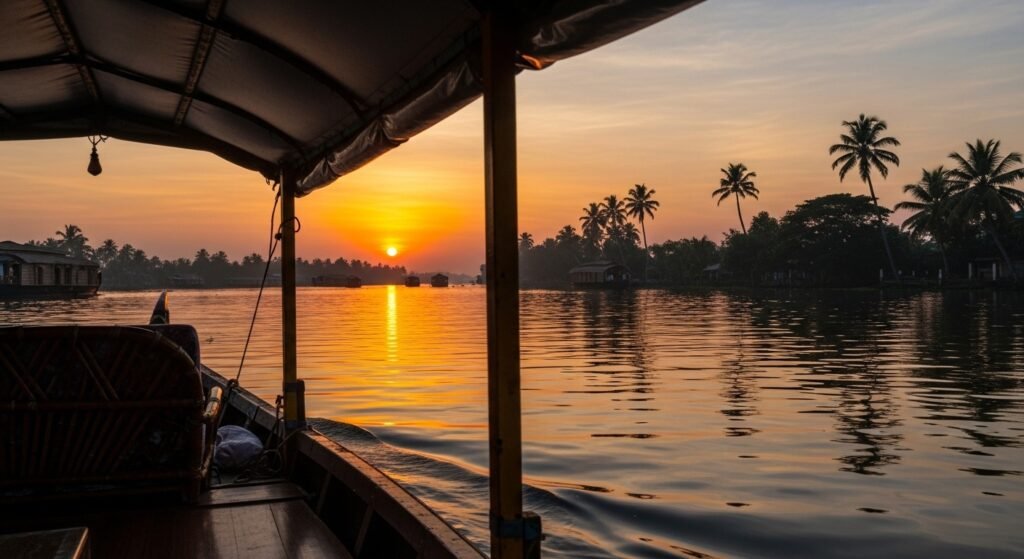
An Alleppey shikara is an open-sided wooden country boat upgraded for tourism — bamboo canopy overhead for shade, reclining chairs for comfort, and a four-stroke outboard petrol engine for propulsion. All four sides are open, which means the backwater breeze moves through constantly. Even in the afternoon heat, a shikara ride stays comfortable in a way that a closed cabin cannot match.
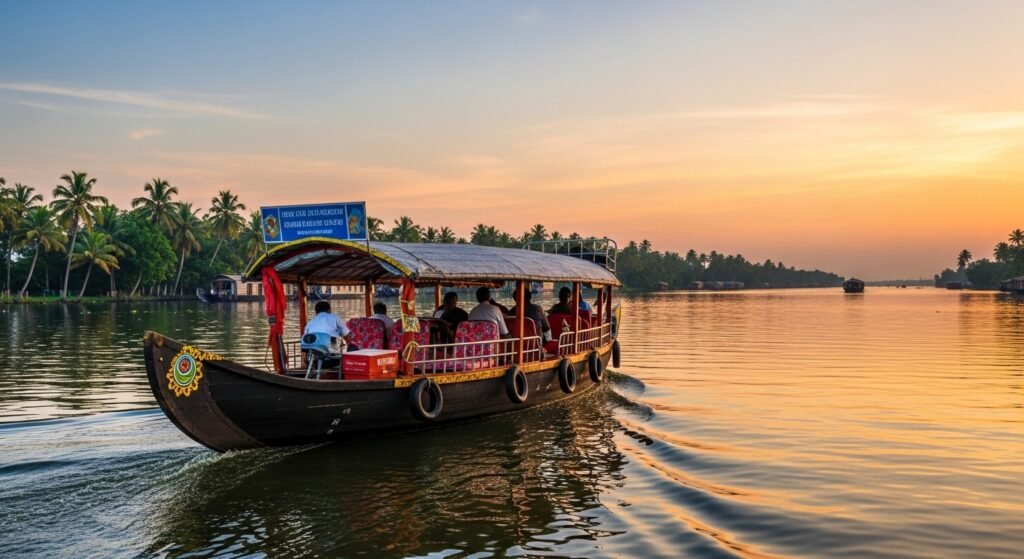
The standard private shikara seats 4 to 7 passengers. Larger group boats — often used for corporate or family outings — can accommodate up to 40 people and typically include toilet facilities, which standard shikaras do not.
If you’ve seen shikaras on Dal Lake in Kashmir, the name is shared but the boat is different. The Kashmiri shikara is a paddle-powered enclosed craft used on still mountain lakes. The Alleppey shikara is an engine-powered open vessel built for navigating the canal network of Kuttanad. Same name, entirely different boat.
Shikara vs. Houseboat: Which One Is Right for You?
The honest answer is they cover different terrain — literally.
| Shikara | Houseboat | |
|---|---|---|
| Best for | Canal exploration, day trips, budget travel | Overnight stay, luxury, open-lake views |
| Duration | 2–8 hours | Minimum 1 day |
| Where it goes | Narrow canals, village waterways, open lakes | Open lakes and wider backwaters only |
| Comfort | Open-air, reclining chairs, bamboo shade | A/C bedrooms, dining area, sundeck |
| Food | Not included (except lunch cruise); stop at toddy shops | Onboard meals prepared by a private chef |
| Price | From ₹3,000 for 3 hours | From ₹9,500–₹15,000 per night |
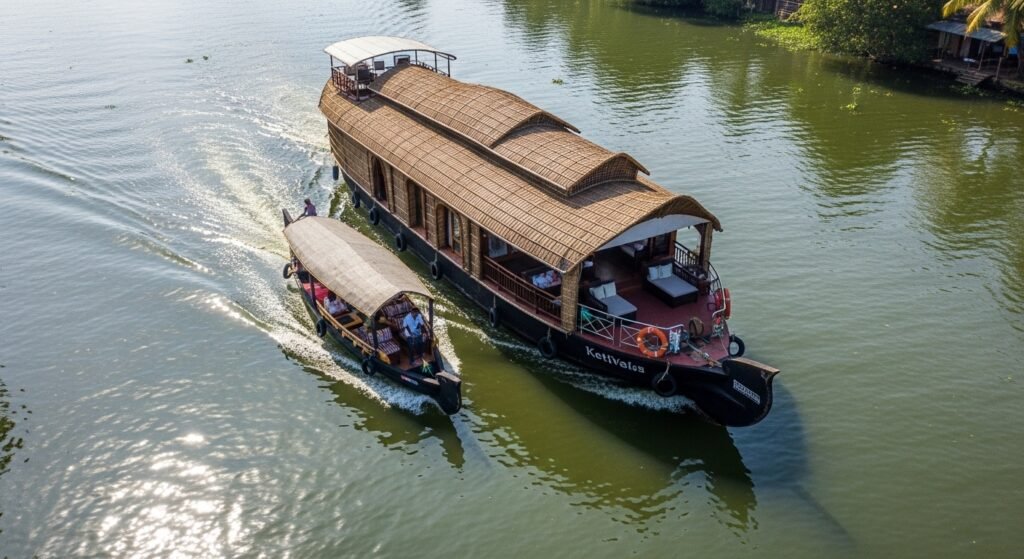
Choose a shikara if you want to see the canal network and village life that makes Alleppey genuinely different from any other destination in India. Choose a houseboat if you want an overnight stay with meals, air-conditioning, and open-lake views. If you have two or more days in Alleppey, do both — they complement rather than duplicate each other.
Image: Shikara size comparison with houseboat, areal shot
What You’ll See: The Shikara Route Through Kuttanad
The standard shikara route begins and ends at Punnamada Starting Point — a round trip through three distinct landscapes: the open lake, the lakefront, and the canal villages. All routes return to the same departure point, so there’s no risk of being dropped somewhere unfamiliar.
Image: Backwater local life
Punnamada Lake is where the journey opens up. Punnamada is the venue of the Nehru Trophy Boat Race, the most famous snake boat race in Kerala. As you cross the lake, you pass the starting and finishing points of the race course, with the distinctive long-hulled Chundan Vallam — the snake boat — visible as a model installation. The lake is wide, and the horizon stretches far in every direction.
Vembanad Lake is the largest lake in Kerala, and it’s the setting for the shikara’s most iconic visual: the sun dropping toward the water in the late afternoon, turning everything amber and copper. The SAI (Sports Authority of India) training facility lines part of the lakefront, marking the boundary between the developed town and the open water.
Image: Vast vembanad lake
The village canals are where a shikara earns its reputation. Once the boat turns into the narrower waterways, the landscape changes completely. The canal banks are lined with coconut palms leaning over the water. Houses sit close enough to touch. You see duck farms — hundreds of birds herded in formation across the water surface in the morning hours. Fish hatcheries mark the edges of paddy land. The paddy fields themselves are extraordinary: Kuttanad is one of the few places on earth where rice is cultivated below sea level, in reclaimed land that sits 1.2 to 3 metres beneath the waterline. The UN Food and Agriculture Organization recognised this as a Globally Important Agricultural Heritage System (GIAHS) in 2013. From the water, the geometric grid of the Puncha Vayals — the reclaimed paddy fields — is visible across the landscape, a feat of engineering that has sustained these villages for centuries.
Image: Narrow canals
The standard route loops back via Vilakkumaram, the landmark “lamp tree” that marks the turning point for most shikara tours, before returning to Punnamada Starting Point.
On the full-day (8-hour) cruise, the route extends into Kainakary village and further into Kuttanad — past Chavara Bhavan, Vattakayal, and Pallathurthi — before looping back. Kainakary is one of the most photogenic canal villages in the region, with its church spires, traditional tiled homes, and the kind of unhurried rhythm of life that feels genuinely removed from the tourist trail.
Pathiramanal Island: The Birdwatcher’s Detour
About five hours from Punnamada Starting Point by shikara, out in Vembanad Lake, is Pathiramanal — “sands of night” in Malayalam. The island is accessible only by boat, which means the only way to reach it from Alleppey is by shikara.
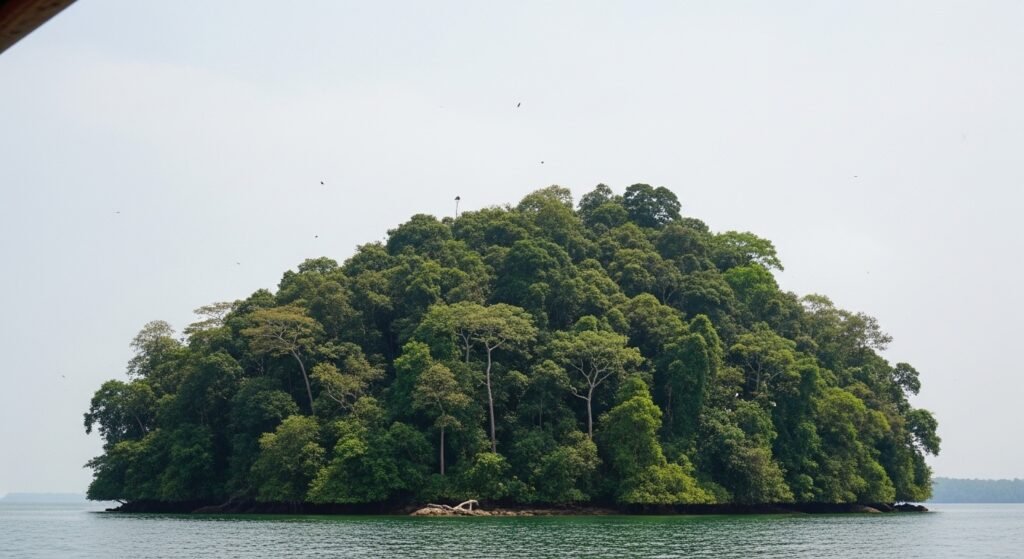
Pathiramanal is a bird sanctuary of significant density. More than 90 species of migratory birds use the island, including the Stork-billed Kingfisher, Purple Heron, Pheasant-tailed Jacana, Cotton Pygmy Goose, Night Heron, Black Bittern, Common Teal, Grey Heron, and Whistling Duck. The island also shelters the Smooth Indian Otter — rarely spotted, but present. Beyond birds, the island supports 160 species of plants, 55 species of fish, and 30 species of butterflies.
Peak season for birdwatching is November to March, when migratory birds are at maximum density. The early morning departure from Alleppey — arriving at Pathiramanal as the light comes up — gives the best conditions for both photography and bird activity.
For travellers whose primary reason for visiting Alleppey is wildlife rather than simply water, the Pathiramanal shikara ride (5 hours, typically ₹5,000–₹6,000 on weekdays) is the most specific and rewarding option on the water.
Shikara Cruise Options in Alleppey
Sunrise Shikara Cruise
Departs: 6:00 AM | Duration: 3–4 hours
The quietest option on the water. Before 8 AM, tourist boat traffic on Punnamada Lake is minimal — you have the misty canals largely to yourself. The light at this hour is exceptional for photography. This is also the best time to spot birds along the canal banks: kingfishers, egrets, and herons are most active in the early morning. The route covers Punnamada Starting Point → Snake Boat Race points → Vembanad Lake → SAI → C Block → Vilakkumaram → return to Punnamada Starting Point.
Day Cruise
Departs: 8:30 AM | Duration: 3–6 hours (flexible)
The standard daytime option. Covers the full Punnamada and village canal route in good daylight. Check-in available from 8:30 AM to 4:30 PM, making it the most flexible option for travellers who want a morning start without a 6 AM alarm.
Lunch Cruise
Departs: 12:00 PM | Duration: ~3 hours
A midday shikara that includes a stop at a backwater lakeside restaurant at around 1:30 PM. Lunch is included — freshwater fish dishes, prawn curry, and Kerala rice meals prepared in the Kuttanadan style; vegetarian menus are also available. Returns to Alleppey Boat Dock after the meal. A good option for travellers who want the experience combined with an authentic local meal without having to organise it separately.
Sunset Cruise
Departs: 4:30 PM | Duration: 2–3 hours
The most popular shikara option in Alleppey, and for good reason. The route ends on Vembanad Lake at golden hour, when the light on the water is at its best. Sunsets over Vembanad are among the most photographed scenes in Kerala. This cruise books out the fastest — particularly from October to March — so advance booking of at least a day or two is essential.
Honeymoon / Couple’s Cruise
Departs: Flexible (8:30 AM–4:30 PM) | Duration: Customisable
A flower-decorated two-seat boat with complimentary snacks and drinks. Designed for privacy and a slower pace. Departure time can be set to preference — the sunset slot is most popular for couples, though the sunrise hour offers a more secluded experience.
Full-Day Shikara (8 Hours)
Departs: 10:00 AM | Duration: 8 hours
The only cruise that reaches the full depth of the Kuttanad canal network. The route covers everything on the standard itinerary, then continues into the narrow inland waterways to Kainakary, Chavara Bhavan, Vattakayal, and Pallathurthi. Along the way: paddy fields farmed below sea level, duck farms, fish hatcheries, village temples, and backwater market stops. If you have one full day in Alleppey and want to understand what Kuttanad actually is — not just see it from the edge of a lake — this is the ride.
Shikara Ride Price in Alleppey (2025–26)
All prices below are for a private shikara (the standard arrangement — most operators in Alleppey do not offer shared rides). Prices are per boat, not per person.
| Duration | Weekday Rate | Weekend / Holiday Rate |
|---|---|---|
| 1–2 hours | ₹2,000–₹3,000 | ₹2,500–₹3,500 |
| 3–4 hours | ₹3,000–₹4,500 | ₹4,500–₹6,000 |
| 5 hours (Pathiramanal) | ₹5,000–₹6,000 | ₹6,000–₹7,500 |
| Full day (8 hours) | ₹6,000–₹8,000 | ₹8,000–₹10,000 |
Rates vary by operator, season, and inclusions. The ranges above reflect reputable operators as of 2025–26 — verify current pricing directly when booking. Peak season (October–March) consistently runs at the higher end of each range.
A note on unusually low prices: If you’re quoted anything significantly below ₹1,000 per hour, treat it as a warning sign. Operators at that price point typically cut corners on route quality, boat maintenance, and cleanliness. You may end up on a poorly maintained boat doing a shortened loop that barely leaves the town jetty. A legitimate private shikara with a proper route, a clean boat, and a knowledgeable operator starts at ₹1,000/hour on weekdays — and that’s fair value for what you’re getting. Book through a reputable operator and confirm the full route before you depart.
Children under 5 typically ride free; ages 6–12 are charged at a reduced child rate. A minimum booking of 2 people applies on most private shikaras.
Best Time for a Shikara Ride in Alleppey
By time of day: The sunrise cruise (6:00 AM) is the best choice for photographers, birdwatchers, and anyone who wants the canals without the noise. The water is still, the light is soft, and the villages are waking up — fishermen heading out, birds active along the banks. The sunset cruise (4:30 PM) is the most popular for a reason: the light over Vembanad Lake at dusk is genuinely extraordinary, and the 2–3 hour duration makes it easy to fit around any itinerary. Midday shikara rides are perfectly viable but hotter — the open-sided design helps, but the 11 AM–2 PM sun over an open lake is intense.
By season: October to March is the peak season for shikara rides in Alappuzha, and the recommended window for first-time visitors. October and November are particularly good — the post-monsoon landscape is at its most vividly green, water levels are high, the heat has eased, and crowds are lighter than December–January. November to March is also the prime window for migratory birds at Pathiramanal. December through February brings peak tourist volumes; weather is ideal (20–32°C) but advance booking becomes important.
The monsoon (June–September) is a different experience entirely. The backwaters are at maximum, the canals overflow, and the greenery is intense. Shikara rides do operate in the monsoon, but heavy rain can interrupt a cruise with little warning. It is not recommended for first-time visitors or for trips with young children. If you’re visiting specifically during the monsoon and want to be on the water, book a full-day ride with a flexible operator and be prepared to cut the trip short if needed.
Practical Information: Booking and Getting There
Departure and return point: Punnamada Starting Point in central Alleppey. This is where most licensed shikara operators board and disembark passengers. All routes are round trips — your boat returns to the same jetty it departed from, so you’re never left at an unfamiliar location.
Getting there: Approximately 5.8 km from Alleppey (Alappuzha) Railway Station. An auto-rickshaw from the station takes 15–20 minutes and costs around ₹60–₹100. Taxis and app cabs are also available.
Operating hours: Shikara rides run from 6:00 AM to 6:30 PM. The earliest departure (sunrise cruise) requires confirming the booking a day in advance so the operator can arrange the early start.
Booking: All reputable operators offer WhatsApp and online booking. During peak season (October–March), book the sunset cruise at least 2–3 days ahead — it fills fastest. The sunrise and full-day cruises typically have more availability. Confirm your booking by phone or WhatsApp after payment.
What to bring:
- Light cotton clothing (the open sides keep it cool, but the midday sun is direct)
- Sunscreen and sunglasses
- Camera or phone with sufficient charge — there is no charging on board
- Cash for toddy shop stops if you plan to eat along the route
- Insect repellent for early morning and sunset rides (canal banks)
Food on board: Shikaras do not include food or drinks except on the lunch cruise and honeymoon packages. If you want to eat on a standard ride, ask your operator to arrange a stop at a backwater toddy shop (Kallu Shaap). These are family-friendly establishments — the name is traditional, not a warning. Order the Karimeen fry (pearl spot fish, the prized freshwater fish of Kuttanad), freshwater prawn curry, or Kuttanadan duck roast with red rice. It is a far better meal than anything you’ll find at a tourist restaurant in town.
Safety: Life jackets are provided on all licensed shikara boats. The canals are calm and the boats are stable — shikara rides are safe for children and for passengers who cannot swim.
Frequently Asked Questions
How much does a shikara ride cost in Alleppey?
A private shikara ride in Alleppey costs ₹1,000–₹1,500 per hour for a boat accommodating up to 5 people, depending on duration and season. Weekend and peak-season rates sit at the higher end of the range. A 3-hour sunrise or sunset cruise typically costs ₹3,000–₹4,500 on a weekday; a full-day 8-hour ride runs ₹6,000–₹8,000. All reputable operators charge per boat, not per person. Be cautious of quotes significantly below ₹1,000/hour — these tend to indicate substandard boats or shortened routes.
How long should a shikara ride be in Alleppey?
Three hours is the minimum to explore Punnamada Lake and see meaningful village canal life. Five hours is the recommended duration if you want to properly explore the Kuttanad canal network, paddy fields, and duck farm stretches. The 8-hour full-day ride is the only option that reaches the deeper village interiors of Kainakary and the surrounding waterways.
What is the difference between a shikara and a houseboat in Alleppey?
A shikara is a small open boat (4–7 passengers) that navigates the narrow canals of Kuttanad — the areas a houseboat physically cannot enter. A houseboat is a large floating accommodation with bedrooms, air-conditioning, and onboard meals, suited to overnight stays on the open lakes. Shikaras are day trips; houseboats are overnight experiences. The two cover different parts of the backwaters.
What is the best time for a shikara ride in Alleppey?
The sunrise cruise (6:00 AM) is best for photographers and birdwatchers — quiet water, soft light, active wildlife. The sunset cruise (4:30 PM) is best for couples and casual travellers — the light over Vembanad Lake at dusk is the defining visual of an Alleppey shikara ride. Season-wise, October to March gives the best conditions, with November to February being the sweet spot.
Is food included in a shikara ride in Alleppey?
No — food is not included on standard shikara rides. The lunch cruise (departs 12:00 PM) includes a Kuttanadan meal at a lakeside restaurant; the honeymoon package includes complimentary snacks and drinks. On all other rides, ask your operator to arrange a stop at a backwater toddy shop, where Karimeen (pearl spot fish) and Kuttanadan prawn dishes are the standout options.
Where does the shikara ride start in Alleppey?
Most operators depart from Punnamada Starting Point in central Alleppey, approximately 5.8 km from Alleppey Railway Station — a 15–20 minute auto-rickshaw journey. All rides return to the same point, so you end up exactly where you started.
Can I combine a shikara ride with a houseboat stay?
Yes — and this is the recommended approach if you have two or more days in Alleppey. Take a shikara on your arrival day (sunrise or sunset) to explore the narrow canals, then board your houseboat for the overnight lake experience. They cover different terrain and complement each other well.
Is a shikara ride safe for children?
Yes. Licensed operators provide life jackets for all passengers, and the backwater canals are calm and sheltered. Shikara rides are suitable for children of all ages. Children under 5 typically ride free; ages 6–12 are charged at a child rate. The only caveat is the monsoon season, when rain can interrupt a ride — a full-day monsoon shikara with young children is not recommended.
A shikara ride in Alleppey is not a supporting act to the houseboat experience — for many travellers, it’s the more memorable one. The canals of Kuttanad, the below-sea-level paddy fields, the quiet of a dawn departure on Punnamada Lake: these are things the larger boats cannot reach. Book the full-day ride if you have the time. If you don’t, the three-hour sunset cruise over Vembanad Lake will stay with you longer than most things you’ll see in Kerala.